
Winter Sale


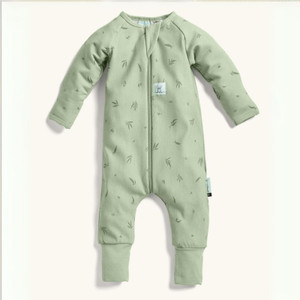


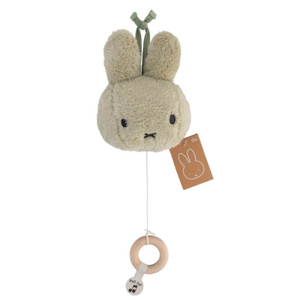


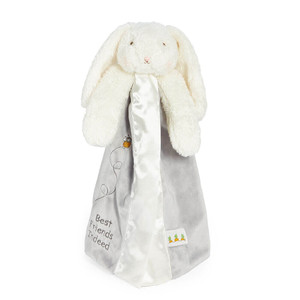


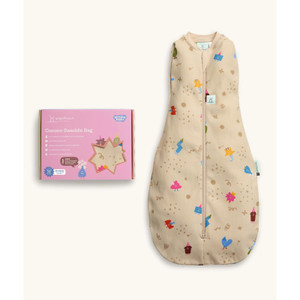

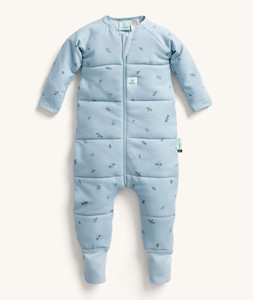

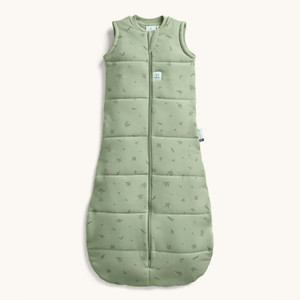
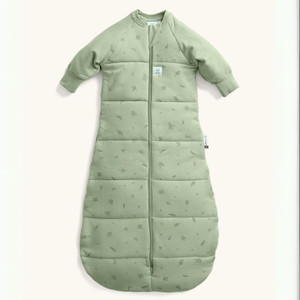
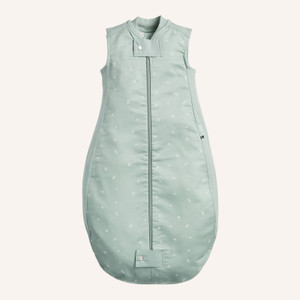


Getting your baby to sleep safely and soundly is one of the biggest challenges of early parenthood - and the right products make a genuine difference. At Peekaboo Baby, we stock everything you need to create a safe, comforting sleep space from day one. Browse swaddles designed to soothe newborns, baby sleeping bags rated for Australian seasons, baby monitors to keep you connected from another room, and nightlights and white noise machines that help little ones settle and resettle without a full wake-up.
Sleep needs change fast in the first year. Our range grows with your baby: start with muslin wraps and blankets for flexible newborn swaddling, transition to a fitted sleeping bag as they find their arms, and introduce a blankie or lovey or comfort blanket once they are old enough to have one safely in their sleep space. Every product we stock meets Australian safety standards.
Building a nursery? Pair your sleep essentials with the rest of our nursery range - including nursery furniture, co-sleepers, baby bouncers, and baby mobiles to complete your sleep space.
Red Nose Australia recommends placing babies on their back to sleep on a firm, flat, and well-fitted mattress in a cot that meets Australian standards. Keep the sleep area free from pillows, loose bedding, bumpers, and soft toys. Ensure your baby does not overheat, and room-share (without bed-sharing) for the first six to twelve months. Always check the Red Nose Australia website for the most current guidelines.
Most babies are ready to transition out of swaddling between two and four months, or as soon as they show signs of rolling - whichever comes first. Once a baby can roll, a swaddle becomes a safety risk as they may not be able to reposition themselves. Transition to an arms-up or arms-free swaddle first, then move to a sleeping bag to help ease the change.
Tog rating measures warmth. In Australia: a 0.5 tog suits rooms above 24°C (summer or warmer climates), a 1.0 tog is ideal for 20-24°C, and a 2.5 tog suits cooler rooms between 16-20°C. Dress your baby in lighter layers underneath in warmer conditions. The goal is to keep them comfortable without overheating - check their neck or chest (not hands or feet) to gauge temperature.
For parents who room-share in the early months, a simple audio monitor is often enough. As babies move to their own room, video monitors with temperature display give extra reassurance. Look for monitors with a reliable wireless range to cover your home, a long battery life on the parent unit, and - if you travel - Wi-Fi or app connectivity so you can check in remotely. Two-way talk is useful for settling a baby without entering the room.
Yes, when used correctly. The key is to keep the volume at a safe level (no louder than 50 decibels, roughly the volume of a quiet conversation) and position the machine at least one metre from the cot. Avoid placing it directly next to your baby’s head. Many parents find white noise helpful for masking household sounds and helping babies settle and resettle between sleep cycles, particularly in the newborn phase.
Every baby is different, but many babies begin consolidating sleep and having longer stretches between four and six months, with some sleeping through from six months onwards. Factors including feeding method, temperament, sleep environment, and developmental stages all affect sleep. If you are struggling with sleep, speak to your maternal child health nurse - there is a wide range of gentle approaches that can help.