Sorting Toys for Toddlers Australia - Shape Sorters & Pattern Toys
Sorting and pattern toys are among the most valuable developmental toys for toddlers. By matching shapes, colours and patterns, children build problem-solving skills, hand-eye coordination and early mathematical thinking. Browse our full playtime range alongside blocks and stacking toys and educational toys.
What to look for
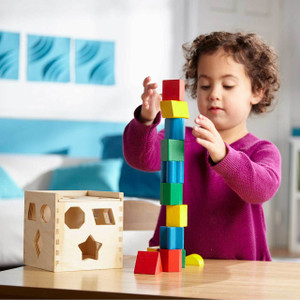
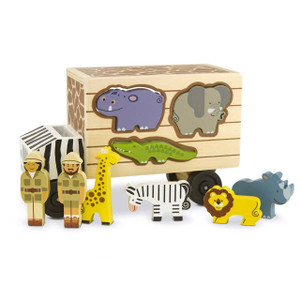
Shape sorters - classic shape-matching toys that build spatial reasoning and problem-solving
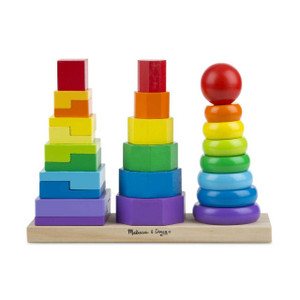
Colour sorting - grouping objects by colour is an important early maths and literacy skill
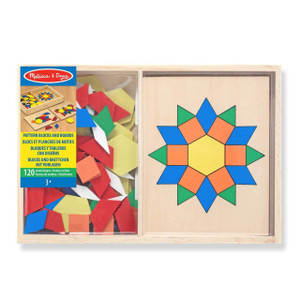
Pattern and sequence toys - introduce logical thinking and early sequencing skills
Chunky, easy-grip pieces - safe for little hands and satisfying to manipulate
Self-correcting design - pieces only fit in the right place, giving instant feedback without frustration
Sorting Toys for Toddlers - Frequently Asked Questions
Most babies are ready to attempt simple shape sorters from around 12-18 months. By 2-3 years, they can typically master more complex sorting tasks.
Sorting toys build spatial reasoning, fine motor skills, problem-solving, colour recognition and early mathematical thinking.
A shape sorter has specific slots for each shape. A pattern toy asks children to arrange or match items according to colour, size or sequence.
Yes - many sorting toys align with Montessori principles of self-directed learning, hands-on exploration and self-correcting activities.
Yes - Peekaboo Baby offers free shipping Australia-wide on orders over $129, dispatched from Melbourne.
{"@context": "https://schema.org", "@type": "FAQPage", "mainEntity": [{"@type": "Question", "name": "At what age can babies use shape sorters?", "acceptedAnswer": {"@type": "Answer", "text": "Most babies are ready to attempt simple shape sorters from around 12-18 months. By 2-3 years, they can typically master more complex sorting tasks."}}, {"@type": "Question", "name": "What skills do sorting toys develop?", "acceptedAnswer": {"@type": "Answer", "text": "Sorting toys build spatial reasoning, fine motor skills, problem-solving, colour recognition and early mathematical thinking."}}, {"@type": "Question", "name": "What is the difference between a shape sorter and a pattern toy?", "acceptedAnswer": {"@type": "Answer", "text": "A shape sorter has specific slots for each shape. A pattern toy asks children to arrange or match items according to colour, size or sequence."}}, {"@type": "Question", "name": "Are sorting toys Montessori-aligned?", "acceptedAnswer": {"@type": "Answer", "text": "Yes - many sorting toys align with Montessori principles of self-directed learning, hands-on exploration and self-correcting activities."}}, {"@type": "Question", "name": "Do you ship sorting toys Australia-wide?", "acceptedAnswer": {"@type": "Answer", "text": "Yes - Peekaboo Baby offers free shipping Australia-wide on orders over $129, dispatched from Melbourne."}}]}
Enhancing Cognitive Development: The Power of Sorting and Patterns in Educational Toys
As parents, we all strive to provide the best opportunities for our children's growth and development. One way to stimulate their cognitive abilities, motor skills, creativity, and problem-solving aptitude is through educational toys that promote sorting and patterns. These toys offer a multitude of benefits and play a vital role in shaping young minds.
The Benefits of Sorting and Patterns in Educational Toys:
Cognitive Development: It engages children's minds in critical thinking and decision-making processes. By categorizing objects based on color, shape, size, or other attributes, children develop important cognitive skills such as classification, comparison, and logical reasoning.
Motor Skills Enhancement: Manipulating objects during sorting activities promotes the development of fine motor skills. Children refine their hand-eye coordination, finger dexterity, and grip strength as they pick up, sort, and arrange items according to specific patterns.
Creativity and Imagination: Educational toys that encourage sorting & patterns provide a foundation for creativity and imaginative play. Children can create patterns and explore different combinations and arrangements, fostering their ability to think outside the box and invent new concepts.
Problem-Solving Skills: Sorting & patterns help children develop problem-solving skills. They learn to identify patterns, anticipate outcomes, and make decisions based on logical reasoning. These skills are transferable to various real-life scenarios, which help teach children to become effective problem solvers.
When purchasing educational toys promoting sorting and patterns, consider the age appropriateness, safety features, durability, and the toy's ability to engage and challenge your child. Look for products that offer varying levels of difficulty to accommodate their developmental stages. As parents, we can nurture their potential by providing them with the right tools for exploration, discovery, and development.