
-

-
Sale
-
Sale
-
Sale
-
Sale
-
Sale
-
Sale
-
Sale
-
Sale
-
Sale
-
Sale
-
Sale

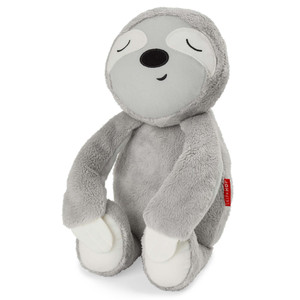

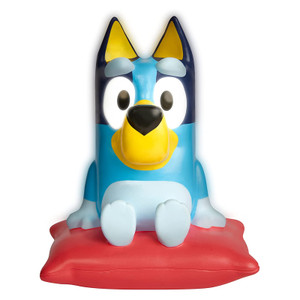
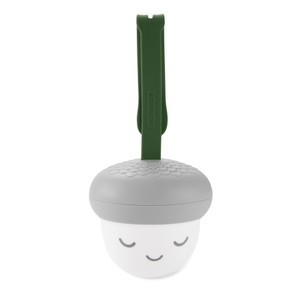
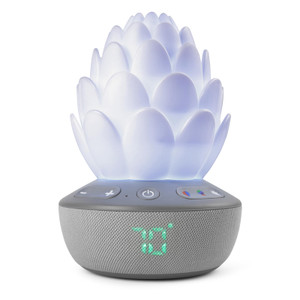
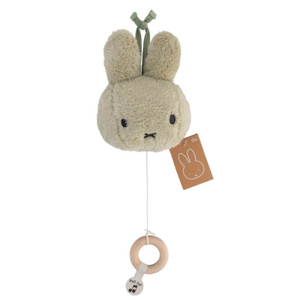


Nightlights & Baby Sleep Aids Australia - Calm, Comfortable Nights for the Whole Family
Getting a baby or toddler to sleep is one of parenthood's great challenges - and the right sleep environment can make a significant difference. A gentle nightlight, a white noise machine, or a projector that fills the ceiling with softly moving stars can be the difference between a smooth bedtime and a battle. At Peekaboo Baby, our nightlights and sleep aids range brings together the best options for creating a calm, sleep-supporting environment in the nursery and toddler room. Browse our full baby sleep time range for everything sleep-related, and explore baby sleeping bags and swaddles for complementary sleep products.
The science of baby sleep environments is well-established. Dim, warm-toned light signals to the brain that it's time to sleep (cool, bright light does the opposite). Consistent white noise or gentle nature sounds mask household noises that wake light sleepers and can help babies fall back to sleep between sleep cycles. Many of our sleep aids combine multiple functions - a soft glow nightlight that also plays lullabies or white noise, a projector that creates a calming visual environment, or a smart device with programmable settings for different parts of the night. These are tools that parents often say they wish they'd invested in from the very beginning.
What to look for in baby nightlights and sleep aids
- Warm, dim light output - amber or warm red tones are best for nighttime as they don't suppress melatonin production; blue and white light should be avoided in the sleep space
- Adjustable brightness - a nightlight that can go from very dim (for sleeping) to brighter (for nappy changes) without fully waking baby is a practical necessity
- White noise quality - if it plays sounds, genuine white noise, pink noise, or gentle nature sounds work best; avoid tinny electronic music that can stimulate rather than soothe
- Timer function - a timer that turns the light or sound off after baby is asleep prevents it running all night when it's no longer needed
- Safe temperature - nightlights should not generate significant heat; LED technology provides safe, cool light that won't pose a burn risk even if baby can reach it
- Portability - a rechargeable nightlight that can travel with you is invaluable for maintaining sleep routines in hotels, at grandparents' houses, and during holidays
Complete the sleep environment with the right sleeping bag TOG, a comfort lovey, and muslin wraps. Free shipping on orders over $129, dispatched from Melbourne.
Nightlights & Sleep Aids - Frequently Asked Questions
Newborns don't technically need a nightlight but many parents find a very dim, warm nightlight invaluable for nighttime feeds and nappy changes without fully waking baby or themselves. For toddlers and older children who develop a fear of the dark (typically from around 2 years), a gentle nightlight can significantly ease bedtime anxiety. A good nightlight should be warm-toned, dim, and not cast bright shadows.
For many babies, yes. White noise mimics the sound environment of the womb and masks sudden household noises (doorbell, older siblings, traffic) that can startle a sleeping baby awake between sleep cycles. Research supports white noise as an effective sleep aid for both falling asleep and staying asleep. Keep the volume at a safe level (around 50 decibels - similar to a quiet rainfall) and position the device away from baby's head.
Warm amber or red tones are best for the sleep environment. These wavelengths have minimal impact on melatonin production (the sleep hormone). Cool white and blue light actively suppress melatonin and can delay sleep onset. Avoid nightlights with a blue-white glow for the bedroom. Many smart nightlights allow colour temperature adjustment so you can use a warmer tone at night and a brighter tone for daytime wake windows.
Star projectors can be wonderful sleep aids for some babies - the slowly moving patterns provide gentle visual stimulation that can help calm an overtired baby. They work best as part of the wind-down routine rather than staying on all night. Look for projectors with a timer function, adjustable brightness, and ideally multiple projection patterns so novelty doesn't wear off. Combine with white noise for maximum effectiveness.
Fear of the dark is a normal developmental stage that typically appears between 2 and 4 years as children's imagination develops. Introducing a nightlight when a toddler starts expressing bedtime fears or anxiety is appropriate - it's not creating a bad habit, it's responding to a genuine developmental need. Let the toddler choose their nightlight if possible; ownership increases its comforting power.
Peekaboo Baby offers free shipping Australia-wide on all orders over $129, dispatched from Melbourne. Nightlights and sleep aids make practical and thoughtful gifts for new parents and growing families.