
Sale
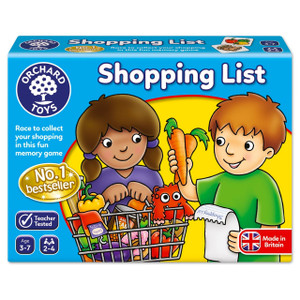
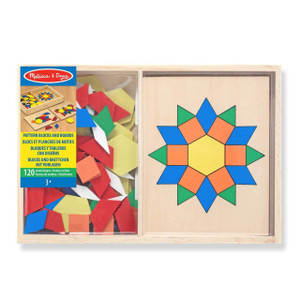


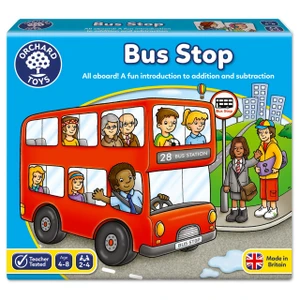

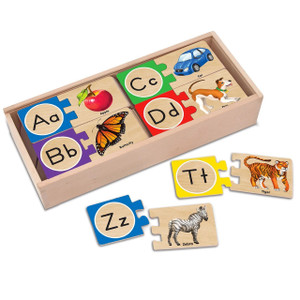


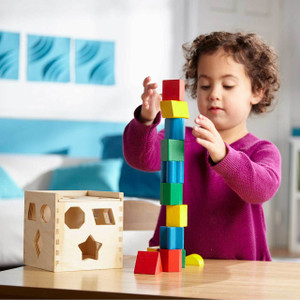


The best educational toys don't feel like learning - they feel like play. And in early childhood, that distinction barely exists. Every time a toddler drops a shape into a shape sorter, builds a tower, fingers through a sensory box, or acts out a story with toy animals, they're developing the cognitive, physical, and social foundations that underpin all future learning. At Peekaboo Baby, our educational toys for toddlers range brings together the best learning-through-play options available in Australia - toys that genuinely develop thinking, language, and skills while feeling to your child like pure, joyful play. Browse our full playtime range and explore wooden toys for classic educational options.
The most effective educational toys share some common features: they're open-ended (can be used in more than one way), they require active engagement rather than passive watching, they provide feedback that helps children understand cause and effect, and they grow with the child. Stacking and sorting toys, puzzles, counting and colour sets, simple science kits, and imaginative play sets all tick these boxes. Language development is embedded in most educational play - talking through what you're doing, naming colours and shapes, counting pieces together - which is why playing alongside your toddler amplifies the developmental value of any toy you choose.
Explore our interactive toys for technology-assisted learning options, browse musical toys for music-based learning, and check out arts and craft for creative development. Free shipping on orders over $129 from Melbourne.
A toy is educational when it promotes development of cognitive, physical, social, or creative skills during play. This doesn't require flashcards or academic content - a set of blocks that teaches spatial reasoning, physics, and creativity is deeply educational. The most educational toys are often the most open-ended: they challenge children to think, problem-solve, and create rather than following a predetermined script.
Two-year-olds are in an explosion of language, motor skills, and imagination. The best toys for this age include simple puzzles (4-8 pieces), shape sorters, stacking and nesting toys, basic pretend play sets (toy kitchen, tool bench, farm animals), large crayons and paper, and picture books. Anything that invites naming, sorting, building, or storytelling is ideal for this developmental stage.
Some electronic educational toys offer genuine developmental value - cause-and-effect learning panels, interactive books, and music-making toys all have real educational merit. However, passive electronic toys where the child watches and listens without much input offer less developmental return than hands-on alternatives. The key is active engagement: if your toddler is pressing, sorting, building, or creating - electronic or not - the learning is happening.
Start with what your toddler is currently interested in and build from there. A toddler obsessed with vehicles will engage more with a colour-sorting game using toy cars than a generic sorting set. Match the challenge level to just above what they can do comfortably. Prioritise toys you can play together - the learning value of any toy is amplified by adult interaction, conversation, and narration during play.
Three-year-olds are ready for more complexity: 12-24 piece puzzles, counting and sorting games, simple science experiments (magnets, water play, mixing colours), construction sets, pretend play with more narrative detail, musical instruments, and early literacy and numeracy toys. Look for toys that build vocabulary, number sense, spatial skills, and imaginative storytelling - all foundational for school readiness.
Peekaboo Baby offers free shipping Australia-wide on all orders over $129, dispatched from Melbourne. Educational toys make thoughtful and meaningful gifts - something parents are genuinely delighted to receive because they know it will be used.